
Best Bathroom Sink Shelving: 3 Options Compared
As an Amazon Associate we earn from qualifying purchases. Details
Bathroom sink shelving holds the towels, bottles and cleaning supplies that crowd a vanity. This guide covers freestanding metal racks that stand beside or near a sink, and it explains how to measure that space before you buy. Under-sink and over-sink units are a different category, so they are not compared here. Use the criteria below to check height, footprint and load before you compare any rack. A tall rack needs a stable floor and, in many homes, a wall fixing, so plan the anchoring before the shelves fill up. Start with the measurements, then the load, then the anchoring.
Quick answer
Choose a tall five-wire rack with adjustable shelves if you need storage beside a vanity and the room has height to spare. Choose a six-shelf rack if you need the most shelves and your clearance is at least the listed height. Choose the five-tier option if you want per-shelf and total load figures and wall anchor kits in the box. Before you buy, measure the floor space beside the vanity, the ceiling height and the doorway, because all three racks stand tall. If the listing gives only a total load figure, keep heavy items off the top shelves.
What changes the choice for bathroom sink shelving
Five checks matter more for freestanding shelving beside a sink than for a general rack. Work through them in order, because a rack that fails the height check cannot be saved by its load rating.
Height and ceiling clearance
These racks are tall. The listings give heights of 53.5 inches, 64.6 inches and 28.9 inches, although one of the figures for the five-tier rack conflicts with a 56.7-inch size note. A rack that is taller than the room cannot stand upright, so measure from the floor to the ceiling and to any cabinet, light or shelf above the spot. A tall rack beside a door also needs clearance to open the door fully.
Footprint beside the vanity
Footprint decides whether the rack fits beside the sink without blocking a towel bar or a door. The depths here run from about 11.4 to 17.3 inches, and the widths run from about 12.8 to 16.6 inches. Two racks side by side need twice the width of one, so check the wall run before you order more than one unit. A narrower footprint helps in a small bathroom, but it can mean fewer shelves on a given height.
Stated load, per shelf or total
Load wording decides what a rack can hold, and the listings do not all use the same words. One listing states 100 lbs per shelf and 500 lbs total, which is the clearest split in this group. Another states a total static maximum load of 600 lbs and gives no per-shelf figure. A third gives 500 pounds in a field labeled both maximum and minimum. Do not add figures across shelves to reach a bigger number, and plan on the lower figure when a listing gives two.
Wall anchoring and stability
A freestanding rack relies on its feet and its weight to stay upright, and a tall unit can tip when it is loaded high. The CPSC advises that existing furniture can be anchored with anti-tip brackets, and that new furniture is sold with anti-tip devices that should be installed right away. Two listings describe adjustable feet that help on uneven ground, but adjustable feet do not fix a tall unit to a wall. Plan the anchoring before the shelves fill up.
Finish, care and humidity
A bathroom is humid, so the finish matters. Two listings describe a powder-coated finish, and the third describes a carbon steel frame with a rust-resistant finish. Two listings say to wipe the unit with a dry cloth for routine care. Dry the rack after a shower, and check the finish for chips that could let water reach the metal. A steel rack with an intact finish is easier to keep clean than one with bare spots.
Assembly and included parts
Assembly is light on all three racks. One listing says no tools are needed for assembly. Another says assembly takes about 5 minutes with no tools. The third lists rods, shelves, leveling feet, split sleeves and an assembly instruction in the box. Check the parts list before you order, and confirm that leveling feet are included, because uneven floors make a tall rack wobble.
How to choose
Use these rules in order. Each one can change which rack fits your bathroom.
- Choose by clearance first. Measure the ceiling, the doorway and the floor beside the vanity before you compare any product.
- Choose a five-wire or five-tier rack if you need four or five shelves and a height around 53.5 inches suits the room.
- Choose the six-shelf rack only if your clearance is at least 64.6 inches.
- Choose a rack with a stated per-shelf figure if you plan to store heavy bottles or cleaning supplies.
- Choose a rack that includes wall anchor kits if you plan to fix it to a wall rather than leave it free-standing.
- A common rule of thumb is to place heavy items on the lowest shelf and keep the top shelves for light towels. Treat that as a rule of thumb, not a load figure from any listing.
At a glance: the 3 picks, by their own spec fields
| Pick | Dimensions | Weight capacity | Flag |
|---|---|---|---|
| REGILLER 5-Wire | 11.8″D x 16.6″W x 53.5″H | 500 lbs (field lists both maximum and minimum at 500 lbs) | Shelf Thickness field reads 53.5 in — matches the rack’s height, not a real thickness |
| 6-Wire Shelving | 11.4″D x 16.6″W x 64.6″H | 600 lbs (both maximum and minimum fields read 600 lbs, no per-shelf figure) | 64.6 in tall — check ceiling clearance and anchor to the wall |
| 5-Tier with Plastic Connectors | 17.3″D x 12.8″W x 28.9″H (Product Dimensions) vs. 56.7 in (Size field) — height figures conflict | 100 lbs per shelf, 500 lbs total (both figures given) | Room Type field lists kitchen and bedroom; a bullet mentions bathrooms — confirm use for your room; includes 4 wall anchor kits |
Specs are from each product’s Amazon listing, checked 2026-10-11 through 2026-10-13. All three listings have unclear or conflicting weight-capacity labels — none gives a confirmed per-shelf figure except the third pick. Anchor any tall unit to the wall regardless of its stated rating.
1. REGILLER 5-Wire Shelving Metal Storage Rack Adjustable Shelves,Standing Storage Shelf Units (Five-wire rack with adjustable shelves)
Specs from the listing (checked 2026-10-11):
- Material: Alloy Steel, Metal
- Product Dimensions: 11.8″D x 16.6″W x 53.5″H
- Number of Shelves: 5
- Weight Capacity Maximum: 500 pounds
- Installation Type: Ground Mount
Pros
- The bullets say the shelves adjust in height and the adjustable feet fit uneven ground.
- The Weight Capacity Maximum field gives 500 pounds, and the bullets say the shelf is coated against water, rust and corrosion.
Cons
- The Weight Capacity field reads both maximum and minimum at 500 pounds, so the label is unclear.
- The Shelf Thickness field reads 53.5 inches, which matches the rack's height rather than a shelf thickness.
Best for: A bathroom corner or laundry area where a tall adjustable rack can stand beside the vanity.
Skip if: Your ceiling or doorway cannot take a 53.5 inch-tall unit, or you need a clear per-shelf load figure.
View on Amazon (affiliate link)
2. 6-Wire Shelving Adjustable Shelves, Standing Storage Shelf for Laundry Bathroom Kitchen Pantry (Six-shelf rack with a 600 pound total rating)
Specs from the listing (checked 2026-10-13):
- Material: Metal
- Product Dimensions: 11.4″D x 16.6″W x 64.6″H
- Number of Shelves: 6
- Weight Capacity Maximum: 600 pounds
- Installation Type: Freestanding
Pros
- The bullets say each shelf adjusts in 1-inch increments with no tools, and four adjustable feet fit uneven ground.
- The bullets describe a powder-coated, high-density steel build that is water-proof and anti-rust.
Cons
- The Weight Capacity Maximum field gives 600 pounds, and the Minimum weight field also gives 600 pounds, so the label is unclear and no per-shelf figure is stated.
- The listing gives a height of 64.6 inches, so check the ceiling clearance and anchor the unit to the wall.
Best for: A room with at least 64.6 inches of clearance and space for six shelves.
Skip if: You need a per-shelf load figure or a shorter unit.
View on Amazon (affiliate link)
3. 5-Tier Storage Shelves with Plastic Connectors – Metal Shelf Organizer for Pantry, Closet (Five-tier rack with per-shelf and total load)
Specs from the listing (checked 2026-10-13):
- Material: Carbon Steel
- Product Dimensions: 17.3″D x 12.8″W x 28.9″H
- Number of Shelves: 5
- Weight Capacity Maximum: 500 pounds
- Minimum Required Door Width: 12.8 inches
Pros
- The bullets state 100 lbs per shelf and 500 lbs total, so both figures are given.
- The bullets say the unit includes four wall anchor kits and installs in about 5 minutes with no tools.
Cons
- The Product Dimensions field gives 28.9 inches of height, while the Size field gives 56.7 inches for the five-tier build, so confirm the height before you order.
- The Room Type field lists kitchen and bedroom uses, while a bullet mentions bathrooms, so confirm the use for your room.
Best for: A bathroom or pantry where you want per-shelf and total load figures and wall anchors in the box.
Skip if: You need the height confirmed before you buy, or you need a listing that names bathroom use in its room type.
View on Amazon (affiliate link)
Listing conflicts to check before you buy
Each option has at least one point to confirm before you order. When two figures conflict, rely on neither until you check.
- The five-tier rack’s Product Dimensions field gives 28.9 inches of height, while its Size field gives 56.7 inches for the five-tier build.
- The five-tier rack’s Room Type field lists kitchen and bedroom uses, while a bullet mentions bathrooms, so confirm the use for your room.
- The REGILLER’s Weight Capacity field reads both maximum and minimum at 500 pounds, so the label is unclear.
- The six-wire rack’s Weight Capacity field reads both maximum and minimum at 600 pounds, and the listing does not state a per-shelf figure.
- The REGILLER’s Shelf Thickness field reads 53.5 inches, which matches the rack’s height rather than a shelf thickness.
Mounting and anchoring for tall racks
A wall fixing is the most direct way to stop a tall rack from tipping. A stud finder locates wood or metal framing studs behind walls. Magnetic models detect the metal fasteners that hold wallboard to studs, and electronic models sense changes in wall density. Use one before you drill, and mark the stud positions on the wall before you hold the rack in place.
Drywall, also called gypsum board, is a panel of calcium sulfate dihydrate between paper facers. It is used for interior walls and ceilings. A fixing that holds in a stud does not automatically hold in drywall without one, so match the anchor to the wall you have. Plaster and masonry need different fasteners. The third option includes four wall anchor kits, so check the wall type before you use them, and follow the maker’s instructions for the order of the steps.
Keep the anchoring honest. Do not assume a load for a generic anchor, and do not treat a rack’s stated weight as a guarantee for any wall. If the listing does not give a load for the wall fixing, ask the seller or the maker before you rely on it. Tall racks that stand on their own feet still need the same care as a tall bookcase, because the weight sits high.
Fitting towels and bottles on a rack
If you plan to use four shelves for towels and bottles, any of the five- or six-shelf racks here fits that plan, so you can leave the top shelf empty as a spare.
Now check the wall. Two racks side by side, each 16.6 inches wide, need 33.2 inches of wall. 16.6 plus 16.6 is 33.2, so you would need a clear run of about 33 inches beside the vanity, away from the door swing and any towel bar. If the wall run is shorter, use one rack and move the rest to a shelf over the toilet or to a cabinet.
Common mistakes
- Measuring the floor but not the ceiling or the fixtures above the rack.
- Assuming a load figure is per shelf when the listing says total.
- Skipping anchors on a tall rack because it looks stable.
- Stacking heavy bottles on the top shelf, where a tall unit is least stable.
- Buying two racks without measuring the full wall run.
- Trusting one size figure when the listing gives two.
Who may not need one
You may not need a freestanding rack if a wall shelf or a sink-side tray holds what you use. If the storage problem sits under the sink, read the best underneath bathroom sink organizer guide before you buy a tall rack. For a corner on an open wall rather than beside the vanity, the best bathroom corner shelving unit guide covers that category. Storage under the basin is covered in the best bathroom under basin storage guide.
FAQ
How tall should bathroom sink shelving be?
Measure from the floor to the ceiling or to any fixture above the spot. The racks here run from 28.9 inches to 64.6 inches in their listed heights, so check each size note before you buy. Choose the height that fits the room and still leaves room to reach the top shelf.
Does a freestanding rack need to be anchored?
A tall rack can tip when it is loaded high, so anchor it when you can. The CPSC advises that top-heavy furniture can be anchored with anti-tip brackets. Use the hardware in the listing or a rated anchor for your wall type, and follow the maker’s instructions.
How much weight can a sink shelf hold?
Read each listing’s wording. One gives 100 lbs per shelf and 500 lbs total. Another gives a total static maximum of 600 lbs with no per-shelf figure. If a listing gives no per-shelf figure, keep the load light on each shelf.
Can I put a metal rack in a bathroom?
Yes, if the finish is suited to a humid room and you keep it dry. Two listings say to wipe the unit with a dry cloth. Check the finish for chips over time, because bare metal can rust when water sits on it.
Do these racks need tools to assemble?
Not always. One listing says no tools are needed, another says about 5 minutes with no tools, and the third lists the parts in the box. Check the parts list and confirm the leveling feet before you order.
Should I buy two racks for one vanity?
Only if the wall run and the items you store call for it. Two racks side by side need twice the width of one. Measure first, and check the door swing and any towel bar before you decide.
What is the difference between per-shelf and total load?
A per-shelf figure means each shelf can hold that amount. A total figure means the whole rack can hold it, shared across all shelves. The listings here use both wordings, so read each one before you add up what you plan to store.
Open sink shelving as a visible, styled display
Open shelving near a bathroom sink puts whatever’s stored there on constant display, unlike the enclosed cabinets and bins covered elsewhere for this kind of storage, which means coordinated containers and a curated, limited selection of items generally looks better than simply moving everything from a cabinet onto open shelves unedited. Treat open sink shelving as a styling decision as much as a storage one.
A couple more frequently asked questions
Does open sink shelving need more frequent dusting than enclosed storage?
Yes — items exposed to open air collect more visible dust over time than anything behind cabinet doors, so factor in a bit more regular upkeep if choosing open shelving for this spot.
Should open sink shelving be positioned above or below the sink?
Shelving above the sink keeps items visible and out of splash range, while shelving below sits closer to potential water contact; above generally suits display items better, while below works for sturdier, water-tolerant pieces.
Bottom line
Choose by clearance first, then the load wording, then anchoring. A five-wire rack suits a room with some height to spare. A six-shelf rack needs at least 64.6 inches of clearance. A five-tier rack with wall anchor kits suits a room where anchoring is part of the purchase. Read each load figure as per shelf or total, and plan on the lower figure when a listing gives two. If a wall shelf or an under-sink organizer already holds what you use, you may not need a freestanding rack at all.
Sources
- CPSC Anchor It! campaign: anti-tip brackets for top-heavy furniture and following the manufacturer’s instructions
- Stud finder: how stud finders locate framing and wallboard fasteners
- Drywall: what drywall is and where it is used
Related products
Listings checked against the Amazon Creators API. Prices and availability change; confirm on the Amazon page before you buy.
CeleVista Corner Bathroom Counter Organizer, 3 Tier Bathroom Sink Shelf | Countertop Vanity Skincare Storage, Wood Shelves for Kitchen, Toiletries Decor, Makeup, Dresser, Gift(Black)

Price: $25.99
View on Amazon Affiliate link
keomaisyto 3-Tier Narrow Bathroom Shelves with Drawer, Bathroom Organizers and Storage, Open Floor Ladder Shelf, Freestanding Tower Slim Standing Unit for Small Spaces – 1 Pack

Price: $37.99
View on Amazon Affiliate link
DAOUTIME Expandable Slim Storage Shelf, 3 Tier Metal Shelving Unit for Bathroom Storage Organizer, Free-Standing Narrow Shelf, Open Floor Shelves for Small Spaces,Laundry,Bathroom,Kitchen, White

Price: $43.98
View on Amazon Affiliate link
Pedestal Sink Shelf, 2 Pack Under Sink Organizers and Storage, Black | 3-Tier Under Pedestal Sink Storage, Bathroom Under Vanity Storage Shelves, Corner Shelf Stand, For Kitchen, Living Room

Price: $36.99
View on Amazon Affiliate link
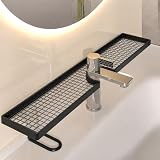
fretory Bathroom Sink Shelf Over Faucet, Over Bathroom Sink Shelf Organizer, No-Drill Faucet Storage Rack, Behind Faucet Storage Shelf for Bathroom Counter Organization (Black, L:19.6in)
Price: $15.88
View on Amazon Affiliate link
EKNITEY Bathroom Countertop Organizer Shelf – 3 Tier Counter Spice Rack | Metal, Removable Basket, Non-Slip Base, Makeup Rack, Small Coffee Station Organizer, for Sink Bedroom Kitchen Living room

Price: $25.99
View on Amazon Affiliate link
BYFU 3 Tier Bathroom Storage Open Shelf Grey Metal Corner Storage Rack | 33.5" Tall, Freestanding Shelving Unit, Iron Frame, MDF Shelves, for Kitchen Living Room Hallway

Price: $31.98
View on Amazon Affiliate link
FILWH Bathroom Shelf Bamboo Organizer Rack Adjustable 3-Tier Storage Shelf Wall Mounted Storage Rack Over The Toilet Utility Shelves Living Room Kitchen Shelf(Black)

Price: $24.99
View on Amazon Affiliate link
No-Drill Over Sink Organizer Rack, Freestanding, White | Metal Faucet Storage Caddies Tool-Free Bathroom Countertop Shelf, Space-Saving Sink Organizer with Quicks Drainage

Price: $9.89
View on Amazon Affiliate link
Goderewild 3 Tier Bathroom Counter Organizer, Makeup Skincare Shelf (Clear) | Bathroom Sink Organizer, A4 Size Vanity and Kitchen Storage, 3 Tier Countertop Rack, Detachable for Cleaning, No Tools, Clear

Price: $22.99
View on Amazon Affiliate link
YIUKEA Bathroom Counter Organizer – Spice Rack Countertop 3 Tier Counter Shelf Organizer for Bathroom Kitchen Bedroom Foldable White

Price: $21.99
View on Amazon Affiliate link
Furinno TURN-N-TUBE 3-Tier Narrow Bathroom Storage Shelf, Black Espresso | Toolless Assembly, Black Storage Rack, Space Saving Shelf, for Bathroom, Living Room, Entryway

Price: $16.18
View on Amazon Affiliate link
leeda space 3-Tier Freestanding Bathroom Storage Shelf, Multipurpose Metal Tower Shelving Unit, Storage Shelves Organizer for Small Space,Plants Flowers, Kitchen, Office – Black

Price: $25.94
View on Amazon Affiliate link
keomaisyto 3-Tier Small Bathroom Shelves with Drawer, Floor Storage Shelf, Small Bathroom Stand Rack, Freestanding Ladder Shelf for Living Room Bedroom, White

Price: $35.99
View on Amazon Affiliate link
HIEEY 4 Tier Bathroom Shelf,Bathroom Rack, Shelves Organizer, for Bathroom Laundry Pantry Kitchen Narrow Places

Price: $24.99
View on Amazon Affiliate link
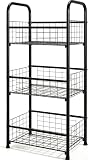
PROXRACER 3 Tier Bathroom Storage Shelf & Organizer, Kitchen Rack | Rustproof steel wire mesh for airflow; adjustable feet level uneven floors; 10-min tool-free assembly; 13"L x 8.7"W x 29.5"H
Price: $29.87
View on Amazon Affiliate link


