
Byijpzi 2-Foot Stair Handrail Review: Installation Determines Safety
As an Amazon Associate, we earn from qualifying purchases. This does not affect the price you pay.
The Byijpzi 2-Foot Stair Handrail (B0GV45GXBW) is a short wall-mounted rail with a stated 500-pound capacity, meant to give a hand to hold at a step or short run of stairs. It suits people who want an extra grip at an entry step or a transition. The thing to settle first is what is behind your wall, because a rated capacity only counts if the screws go into real structure.
Check the current Amazon listing for B0GV45GXBW.
At a glance: Byijpzi B0GV45GXBW listing details
| Item | What the listing says |
|---|---|
| Length | Two feet |
| Stated capacity | 500 pounds |
| Use | Stair or step handrail, wall mounted |
| Diameter and bracket offset | Not stated |
| Material and finish | Not stated |
| Indoor or outdoor rating | Not stated |
A load claim is not an installation guarantee
A 500-pound rating describes the hardware under the maker’s test conditions. It depends on correct fasteners, sound structure, and proper spacing. Drywall alone is not a structural anchor. Identify framing or suitable masonry with a stud finder, follow local building rules, and use a qualified installer if the wall material is uncertain. If you are installing into a plaster-and-lath, tile-over-backer, or hollow block wall, the right fastener changes, and the included screws may not suit.
Two feet must match the stairs
Measure the run, the rise, any landing, and the spot where a person naturally reaches for support. Compare the rail diameter and bracket offset with a comfortable grip and with the clearance from the wall, which the listing does not state. A short rail can help at one transition, but it should not be used where a continuous code-compliant handrail is required. Check your local rules for the required height and graspable size, because they vary by jurisdiction.
Indoor versus outdoor mounting
The listing text does not say the rail is rated for outdoor use. Outdoor placement exposes metal, fasteners, and wall penetrations to water and temperature changes. Check the finish, any corrosion guidance, and approved fasteners for the environment, and seal penetrations properly. Inspect for rust, looseness, or movement after severe weather.
Positioning for real use
Think about who will use it. For a person with limited balance, the rail should be on the side they can reach comfortably when going up and down, and it should extend slightly past the top and bottom step so the hand does not run out of rail early. Two feet may be too short for that, so consider whether a longer or continuous rail is needed. Mark the position with painter’s tape, and ask the intended user to try gripping at that spot before you drill.
Testing without overloading
After mounting, check every bracket and joint for movement before routine use. Do not perform a dramatic full-body load test. Reinspect periodically, tighten fasteners as directed, and stop using the rail immediately if the wall, an anchor, or the tube shifts.
What to check on the Amazon page
- The tube diameter, material, and finish.
- How many brackets come with the rail and what screws are included.
- Whether the capacity figure applies to the rail only or to the installed assembly.
- Any stated indoor or outdoor suitability.
Who should skip it
Skip it if you need a code-compliant handrail along a full staircase, or if the wall is hollow with no way to find backing. Skip it if the person using it needs a continuous rail, and ask a professional if you have any doubt. A rail that is installed badly can give a false sense of security.
Short rail versus full staircase railing
A full railing is a structural element designed to code, with posts or continuous wall brackets, and is the right solution along a staircase. A short grab-style rail suits a single step, a doorway threshold, or a place where a hand is needed briefly. They are different tools, and a short rail does not replace the first.
Shopper questions
Does a short transitional rail need to meet the same code as a staircase rail?
Codes often set rules by number of steps or total rise, so check your local requirements for the exact situation instead of assuming a short rail is exempt.
Can I move an indoor rail outdoors later?
Moisture and temperature cycling can damage a finish that was not made for it. Check the material and finish before relocating it.
What if I only find drywall at the spot?
Move the rail to where a stud lines up, or ask an installer about solid backing. Drywall anchors alone are not appropriate for a handrail.
How often should I recheck it?
Look at it every few months, and after anything that stresses the wall, such as a fall or a heavy bump.
Bottom line
This rail is hardware for a correctly engineered installation, not a shortcut around structural assessment. Confirm the diameter, finish, and fasteners on the listing, and mount into real framing.
View current specifications and availability on Amazon.
Related products
Listings checked against the Amazon Creators API. Prices and availability change; confirm on the Amazon page before you buy.
Toriexon Hand Rails for Indoor Stairs, 2FT Galvanized Steel Stair Railing Indoor, Matte Guard Coating, 400LBS Load Capacity Wall-Mounted Pipe Staircase Handrails for Indoor & Outdoor Use

View on Amazon Affiliate link
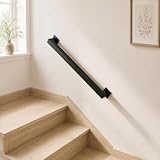
YEOOE 2FT Handrails for Stairs Indoor Outdoor, Step Railing Wall Mounted with Matte Black Finish, Industrial Pipe Hand Rails for Porch, Loft, Patio (2FT)
View on Amazon Affiliate link
Handrails Wall Mount Stair Safety Handle Non-Slip Step Metal U-Shape Grab Yard Mounted Garage Porch Garden Hand Railings Powder Coated Heavy Duty Indoor or Outdoor Safe Bars (2 Pack)

View on Amazon Affiliate link
Handrails Wall Mount Stair Safety Handle Non-Slip Step Metal U-Shape Grab Yard Mounted Garage Porch Garden Hand Railings Powder Coated Heavy Duty Indoor or Outdoor Safe Bars Black for 1 to 3 Steps

View on Amazon Affiliate link
16" Stair Handrail, Wall-Mounted Safety Grab Bar for Indoor & Outdoor Steps

View on Amazon Affiliate link
Promenaid Satin Black 6ft ADA Handrail Kit – Complete Indoor/Outdoor Stair Handrail – 1.6" Round Satin-Anodized Aluminum Railing with 4 Satin Black Painted Pivoting Brackets & ADA Wall Returns

View on Amazon Affiliate link
Purife 3 FT Wood Hand Rails for Indoor Stairs, Safety Grab Bars for Wall | Metal Bracket Support, Wooden Stair Handrail, Outdoor Railings, Banister Garage Deck Steps Rail, Handle for Elderly & Senior

View on Amazon Affiliate link
Zwinz Adjustable Handrail 1-3 Step,Wall&Floor Mounted Wrought Iron Handrail | 35"H X 44.1"W Handrails for Outdoor Steps, Stair Rail with Installation Kit Hand Rail, Black

View on Amazon Affiliate link
U-Shaped Safety Handrail for Stairs 1-3 Steps, Wall Mounted Handrails Indoor/Outdoor – 530lbs Load, Anti-Slip & Rust-Proof, Elderly & Disabled Assist at Porch, Deck, Bathroom

View on Amazon Affiliate link
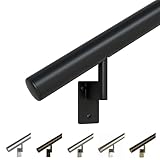
Promenaid Flush Handrail Kit, 1.5 ft Stair Handrail, Satin Black | 1.6 inch Round Rail, Flush Endcaps Included, Indoor and Outdoor Steps, Anodized Aluminum, Pivoting Wall Brackets
View on Amazon Affiliate link
Promenaid Flush Handrail Kit, 1.5 ft Stair Handrail, Satin Silver | 1.6 inch Round Rail, Flush Endcaps Included, Indoor and Outdoor Steps, Anodized Aluminum, Pivoting Wall Brackets

View on Amazon Affiliate link
16 Inch White Stair Handrails for 1-3 Steps, Munzong Porch Railings | Anti-Slip 1.25” Tube SUS304 Stainless Steel Hand Rail for Stairs Knurled Safety Grab Bar for Outdoor Garage Exterior

View on Amazon Affiliate link
5FT Stair Railing Indoor Outdoor, 500LB Heavy-Duty Wall Mounted Handrail | Black Iron Pipe, Rust-Proof. Slip-Resistant, Simple Setup. Fits Stairs, Decks, Porches, Garages, Lofts, Gardens, Corridors.

View on Amazon Affiliate link
3.3FT Stair Railing Indoor Outdoor, 500LB Heavy-Duty Wall Mounted Handrail | Black Iron Pipe, Rust-Proof. Slip-Resistant, Simple Setup. Fits Stairs, Decks, Porches, Garages, Lofts, Gardens, Corridors.

View on Amazon Affiliate link
Black Indoor Stair Handrail 2FT, Modern Wrought Iron Stair Railing | Reliable Wall Mounted Hand Rail for Seniors, Family & Daily Use, Ideal for Hallway, Basement, Loft & Entry Steps, Easy Setup

View on Amazon Affiliate link
2 FT Modern Aluminum Handrail Set – ADA Compliant Indoor & Outdoor Stair Railing. 1.4" Diameter Grab Bar. Wall-Mounted with 90°Wall Return End. Ideal for Safe Grip,Rust Free(Matte Black, 2 FT)

View on Amazon Affiliate link
4FT Matte Black Handrails Kit for Indoor Outdoor Stairs,Modern Aluminum Handrail Set,2" X1" Grab bar,Adjustable 304 Stainless Steel Brackets Included,Rust Free

View on Amazon Affiliate link
CroBlissful 2 Pack 4 ft Double Layered Red Oak Modern Style Straight Wood Handrail for Stairs, Trapezoid Stair Railing Indoor, Modern Traditional Stair Remodel

View on Amazon Affiliate link


