
REIBII 78-Inch Commercial Shelving Review: Anchor the Tall Profile
As an Amazon Associate, we earn from qualifying purchases. This does not affect the price you pay.
REIBII 78-Inch Commercial Shelving (B0CQVVLXJM) deserves a practical review based on its exact dimensions, setup, everyday handling, and maintenance. This guide focuses on decisions a buyer can verify rather than prices, star ratings, or claims of personal testing.
Check the current specifications and availability for B0CQVVLXJM on Amazon.
Tall and deep changes the room
Measure the 55-by-26-inch floor area, 78-inch height, ceiling services, doorways, and turning space required to bring long components into the installation area.
Follow the anti-tip instructions
A tall rack should be placed on a level floor and secured as specified. Keep the heaviest inventory low and avoid pulling multiple loaded bins outward together.
Three-thousand pounds needs a loading map
Capacity is not permission for concentrated machinery. Verify per-tier limits, spread containers across supports, and consider the floor’s own load tolerance before filling it.
Preserve safe retrieval space
Maintain a clear aisle, use an appropriate step platform for high shelves, and never climb braces or wire panels to reach cartons above shoulder height.
Commercial-grade capacity versus typical home storage needs
A unit rated for genuinely heavy commercial-level capacity like this one usually exceeds what most home storage actually requires, which means paying for that headroom only makes sense if you specifically anticipate loads approaching that rating, such as a serious workshop or a home business storing dense inventory; for lighter typical household storage, a residential-grade shelf at a lower price point often serves just as well without the extra capacity going unused.
A couple more frequently asked questions
Does commercial-rated shelving need different anchoring than residential shelving?
Generally yes — reaching a commercial-level capacity safely often requires anchoring matched to that higher rating, so follow the manufacturer’s specific commercial-use installation guidance rather than standard residential anchoring methods.
Is commercial-grade shelving overkill for a home garage with moderate storage needs?
If your actual loads are well below the rating, yes, it’s more capacity than needed, though the extra safety margin isn’t a problem itself, just a cost consideration if a lighter-duty option would suffice.
Floor load capacity matters as much as the shelving’s own rating
A rack capable of holding genuinely heavy commercial-level loads doesn’t automatically mean the floor underneath can safely bear that same concentrated weight, since residential garage slabs and basement floors aren’t necessarily engineered for the point loads a fully loaded heavy-duty rack can place on a relatively small footprint, so checking the floor’s own load tolerance, particularly in an older structure or above a finished basement ceiling, matters alongside the shelving’s own weight rating.
One more thing worth checking
Does a concrete garage floor need any special preparation before placing heavy-duty shelving on it?
A level, crack-free section of concrete generally handles standard shelving feet well without special preparation, though placing load-distributing pads under feet on a floor with any existing hairline cracking helps spread point pressure more evenly.
Bottom line
B0CQVVLXJM belongs in a measured, anchored storage zone with a written weight plan and safe access to its 78-inch height.
View the current Amazon product page.
Related products
Listings checked against the Amazon Creators API. Prices and availability change; confirm on the Amazon page before you buy.
REIBII 6-Tier Garage Shelving, 84" H Storage Shelves Load 3300LB, Adjustable Metal Shelving, Large-Capacity Garage Shelves for Basement, Warehouse, 48.2" W X 84" H X 24" D, Black

Price: $149.99
View on Amazon Affiliate link
REIBII 60.1"W Heavy Duty Garage Shelving,3050LBS Metal Shelving For Shop | Basement,Industrial,5 -Tier Storage Shelves,Adjustable Utility Rack,Reinforced Steal bars,for Warehouse,24" D x 72.2" H

Price: $189.99
View on Amazon Affiliate link
REIBII Garage Shelving, 3600LBS Heavy Duty Storage Shelves for Basement | 78"H X 48" W X 24" D, 6 Adjustable shelves, Metal Shelving for Commercial Warehouse School, Interlock, Easy Assembly, Black

Price: $169.99
View on Amazon Affiliate link
REIBII 72"H Garage Shelving Load 2500Lbs for Homeowners and Commercial Use | Heavy Duty, Adjustable 5 Tiers with Steel Panels, for Warehouse Factory Commercial Garage, 72"H x 36"W x 18"D, Black, 4Packs

Price: $379.99
View on Amazon Affiliate link
REIBII 72"H Garage Shelving Load 2500Lbs for Homeowners and Commercial Use | Heavy Duty, Adjustable 5 Tiers with Steel Panels, for Garage Basement Workshop Pantry Kitchen, 72"H x 36"W x 18"D, Black

Price: $99.99
View on Amazon Affiliate link
REIBII Garage Shelving 84" H Heavy Duty Storage Shelves for warehouse | 60" W x22" D,3500 LBS,6 adjustable shelves,Detachable,rust-resistant,Dual Thick Shelves,Load Beams,Easy Assembly,industrial

Price: $219.99
View on Amazon Affiliate link
REIBII 5024LBS Garage Shelving for Garage, Shop, Heavy Duty Storage Shelves | 60.3"W x 18.1"D x 72"H, 4-Tier Solid Steel Industrial Structure, Adjustable Storage Rack, Rust/Water Resistant, Commercial

Price: $115.99
View on Amazon Affiliate link
REIBII Storage Shelves, 3200LBS Heavy Duty&Adjustable Height for Garage | 55.5" W Shelf Space Saving, 5 Tier Freestanding, Powder Coated, Anti-Tipping Device, Moisture Resistant, 4-Set for Pantry

Price: $551.99
View on Amazon Affiliate link
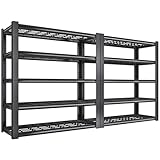
REIBII 2-Pack Metal Shelving, 3010Lbs Each, Heavy Duty Storage Shelves | for Garage Basement Warehouse, 16"D x 35.5"W x 72"H Each, 5-Tier Shelving Unit, Adjustable, Detachable, Easy Assembly, Black
Price: $149.99
View on Amazon Affiliate link
REIBII 55" W Heavy Duty Garage Shelving,6 Tier Storage Shelves For Shop | 3500LBS Adjustable Shelving Unit,Metal Shelf,Business,Warehouse, Basement,Factory,Organized Storage,55" W x 26" D x 84" H

Price: $199.99
View on Amazon Affiliate link
REIBII 3 Pack Garage Shelving 3200LBS Each Heavy Duty Metal Storgae Shelves | 72"H x16"D x 36"W Adjustable Industrial Shelf, 5-Tier Metal Shelving for Basement, Warehouse, Kitchen, Office, Black

Price: $207.99
View on Amazon Affiliate link
REIBII Garage Shelving, 5 Tier Storage Shelves Load 3000LBS, Adjustable Garage Shelving Heavy Duty, Metal Shelves Unit for Basement, Warehouse, 48" W x 72" H x 18" D, Galvanized

Price: $109.99
View on Amazon Affiliate link
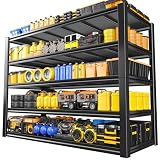
REIBII 48.2" W Garage Shelving, 3000LBS Heavy Duty Shelf for Basement Shed | Adjustable Storage Shelves, 5-Tier, for Warehouse Workshop, Separatable, 10-Min Easy Assembly, 72.2" H x 24.2" D x 48.2" W
Price: $165.99
View on Amazon Affiliate link
REIBII 6 Tier Adjustable Heavy Duty Metal Shelving for Garage Warehouse | Interlock, Splittable, Quick Assembly, Cold Rolled Steel, Premium Powder Coat, Curled Edge,3300LBS, 48" W X 18" D X 78" H

Price: $149.99
View on Amazon Affiliate link
REIBII 84.1" H Garage Shelving, 3500LBS Storage Shelves Heavy Duty, Adjustable 6-Tier Metal Shelving for Commercial, Warehouse, Basement, Garage,Shop, 55.1" W x 25.8" D x 84.1" H

Price: $215.99
View on Amazon Affiliate link
REIBII 85.7"H 5-Tier Heavy duty Garage Shelving with Wheels, 2998 lbs | 55.5"W x 24.2"D, Rustproof, Lockable wheels, Height-adjustable, Tool-free, For pantry/garage/basement/warehouse/commercial

Price: $219.96
View on Amazon Affiliate link
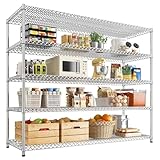
REIBII 55.5" W Storage Shelves 3200LBS Metal Shelving 5 Tier Wire Shelving Garage Shelving Heavy Duty Metal Shelves for Shelving Unit Commercial Adjustable Shelf, 55.5" W X 18”D X 71" H,Chrome
Price: $147.99
View on Amazon Affiliate link
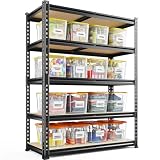
REIBII 2400 LBS Garage Shelving for Basement, Adjustable Shelving Unit | 5 Tier Heavy Duty Storage Shelves,Tool-Free Assembly,Freestanding,5 Reinforcing Ribs,35.5" W x 72" H for Commercial Warehouse
Price: $43.99
View on Amazon Affiliate link


